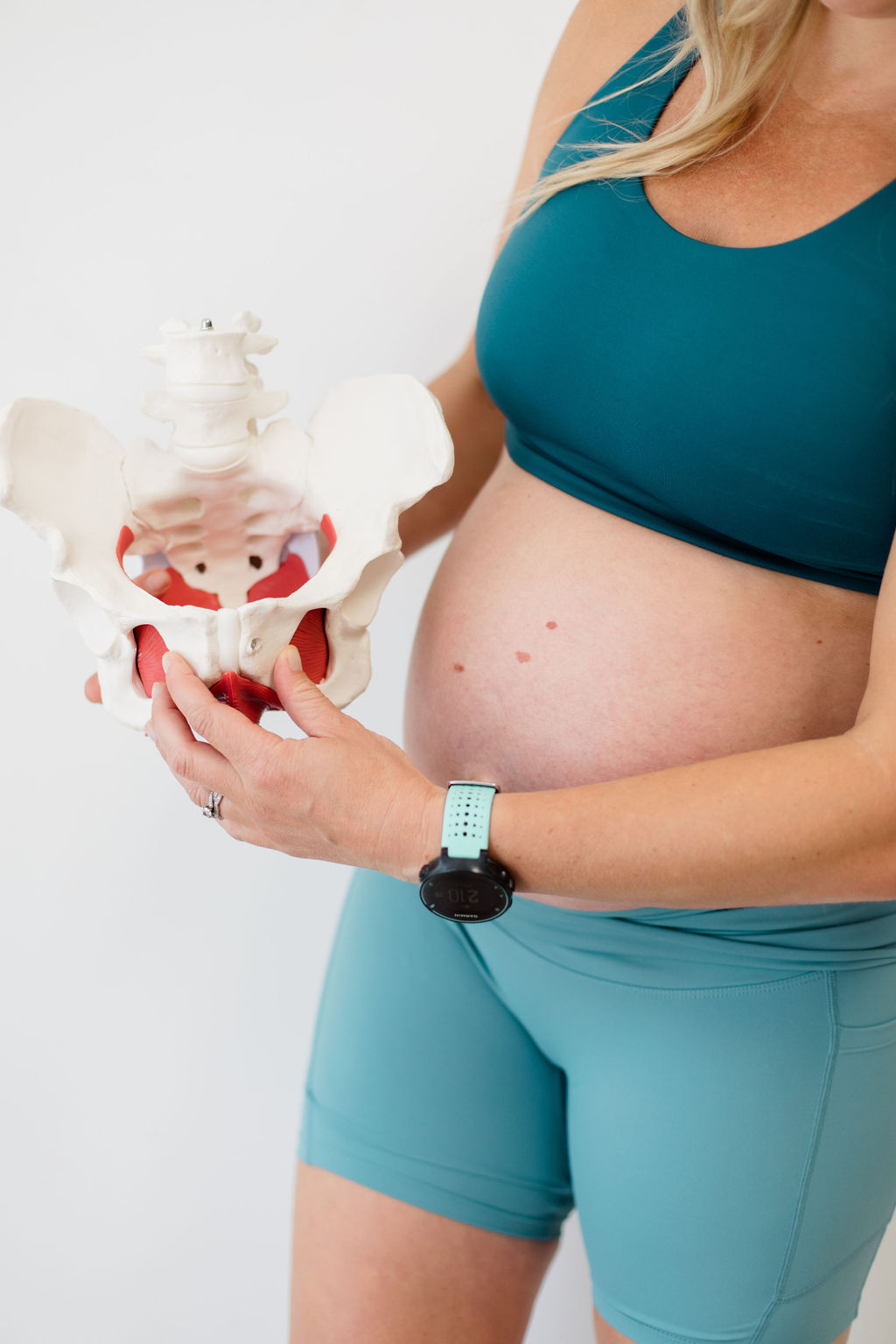
Groin pain during pregnancy can show up as a sharp, pulling ache low in your belly, or a deep soreness around your pubic bone that catches you when you roll over in bed, stand up from the couch, or climb the stairs. It can be very uncomfortable and painful.
As a pelvic floor physical therapist, I see that as one of the most common complaints at the clinic. Here’s what you need to know about groin pain during pregnancy and five exercises to help you find relief!
What Is Groin Pain During Pregnancy?
Your groin is the area where your lower belly meets the top of your inner thigh. It includes your pubic bone, the crease at the front of your hip, and the muscles that run along the inside of your upper leg.
When moms tell me they have groin pain, they’re usually pointing to somewhere in this region, but “groin pain” is a broad umbrella term that covers a few different problems, such as round ligament pain.
It can feel like a quick stab when you move a certain way, a dull ache that hangs around, or a pulling sensation deep in your pelvis. It tends to flare up with everyday movements like getting out of the car, turning over in bed, or going up the stairs.
What Causes Groin Pain During Pregnancy?
There are two main causes for groin pain during pregnancy: round ligament pain and symphysis pubis dysfunction (SPD), a specific type of pelvic girdle pain (PGP).
Round ligament pain
Your round ligaments are two cord-like bands of tissue that connect the front of your uterus to your groin. As your uterus grows, these ligaments stretch and thin out to support the extra weight, a bit like a rubber band being pulled longer and longer.
When you move quickly, the ligaments can tighten in a snap, which causes a sharp, stabbing pain on one or both sides of your lower belly. It usually lasts only a few seconds and tends to hit when you stand up fast, sneeze, cough, laugh, or turn over in bed.
Round ligament pain shows up most often in the second trimester, when your bump is growing quickly. It isn’t a sign that anything is wrong with your baby, but it can be very painful for you.
Symphysis pubis dysfunction (SPD)
Pelvic girdle pain is an umbrella term for pain in any of your pelvic joints: the two sacroiliac joints at the back and the pubic symphysis at the front, where your two pubic bones meet.
Symphysis pubis dysfunction is one specific type of PGP. It refers to pain and instability at the front joint, the pubic symphysis.
During pregnancy, your body releases a hormone called relaxin that loosens your ligaments and joints to get your body ready for birth. That loosening helps with delivery, but it also makes your pelvic joints less stable.
When the joint moves more than it should, or the two sides shift unevenly, you can feel a sharp, severe pain in your pubic bone that spreads into your groin, inner thighs, and lower back. It can catch you off guard and feel alarming.
SPD often feels worse when you put your weight on one leg, climb stairs, get dressed, or open your legs apart. Some moms notice a clicking or grinding feeling at the front of the pelvis.
Learn more about pelvic pain during pregnancy.
What are the differences between round ligament pain and SPD?
You can feel both round ligament pain and SPD in your groin region, so it’s easy to confuse the two. A few clues can help you tell them apart:
- Timing: Round ligament pain is quick and sharp, often lasting only a few moments after a sudden movement, while SPD pain lingers and builds throughout the day.
- Triggers: Round ligament pain flares when you stand up fast, sneeze, cough, or roll over, while SPD flares after you’ve been on your feet a lot or done high-impact or split-leg activity, like running or lunges.
- Location: Round ligament pain sits on the lower side of your belly and at the front of your hip, while SPD centers on your pubic bone
- Feel: Both can feel sharp and stabbing, though round ligament pain leans more toward pulling, while SPD stays sharp and can sometimes come with a less common clicking or grinding feeling at the front of the pelvis.
Learn about sciatica during pregnancy, which is another uncomfortable symptom that many pregnant women struggle with.
Red flag symptoms
Most groin pain in pregnancy is painful but not dangerous.
However, some symptoms are worth a call to your doctor or midwife because they can point to something that needs a closer look.
Reach out to your provider if you notice any of these:
- Severe pain that stops you from walking
- Groin pain together with vaginal bleeding, fluid leaking, or strong cramping
- Sharp pain paired with a fever or chills
- Regular tightening or pressure that feels like contractions before 37 weeks
These signs don’t always mean something is wrong, but it’s always better to get checked and put your mind at ease!
Is Groin Pain Normal During Pregnancy?
Groin pain is very common during pregnancy. In fact, research suggests that pelvic girdle pain affects roughly 1 in 5 pregnant women.
But common doesn’t mean you have to suffer through it. I see a lot of moms who assume that groin discomfort is just part of the deal, and they have to grit their teeth until delivery. That isn’t true!
The sooner you address the pain, the fewer symptoms you’re likely to have during pregnancy and after birth. A lot of doctors tell their patients it will disappear once the baby arrives, but for many women, that isn’t the case, especially if they had moderate to severe pain during pregnancy that was never managed.
There are plenty of ways to ease the discomfort and move more comfortably, and pelvic floor physical therapy can make a big difference for groin pain, pelvic pain, and many other pregnancy symptoms.
How to Relieve Groin Pain During Pregnancy?
As a pelvic floor physical therapist, I often recommend a maternity support band (also called a pelvic support band/belly band) to give your pelvis a bit of extra stability.
It won’t fix the underlying issue, but it can take some pressure off and offer significant pain relief while you move through your day. It helped me a LOT during my pregnancies!
You can find a few great options for support garments on my favorites page!
However, the most effective way to relieve groin pain during pregnancy is pelvic floor physical therapy. Your PT will look at how your core, hips, pelvic floor muscles, and breathing are working together and give you targeted exercises to build stability.
If you don’t have a pelvic floor PT, I created a program called Strong Expecting Mama to walk you through safe, effective exercises for a more comfortable pregnancy.
The exercises that you’ll find in Strong Expecting Mama helped me go from 9/10 pain with my first pregnancy to <1-2/10 pain in my pregnancies with my next three kids, and they also helped hundreds of my patients!
I’m also sharing some of my favorite exercises for groin pain below:
5 Exercises to Help with Groin Pain During Pregnancy
These are some of my favorite exercises to give to pregnant moms I see as a pelvic floor physical therapist at the clinic. You can do all of them at home in just 15-20 minutes!
1. Seated Scissor Slides
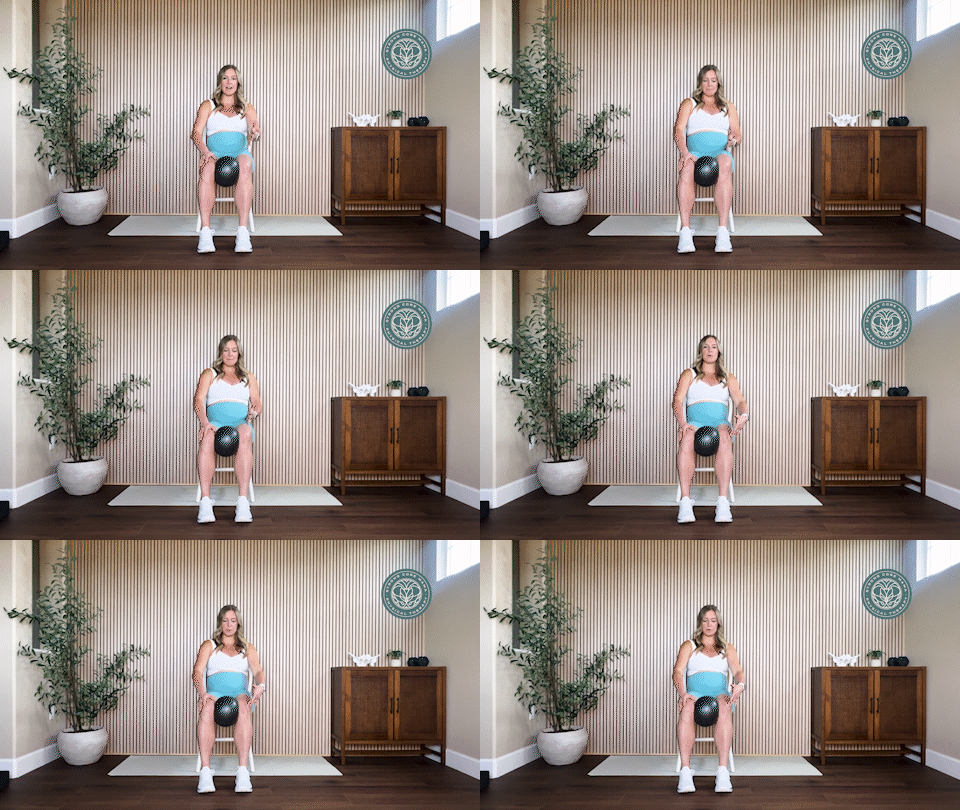
- Sit tall in a chair with your ribcage stacked over your pelvis, so you’re in a nice neutral spine position.
- Place a small ball between your knees and squeeze it gently.
- Inhale as you draw your left knee back, pulling the ball with your left inner thigh.
- Exhale as you press your left knee back into the ball.
- You should feel your left inner thigh and hamstring working.
- Return to your neutral starting position and repeat.
2. Side Plank with Hip Adduction Squeeze
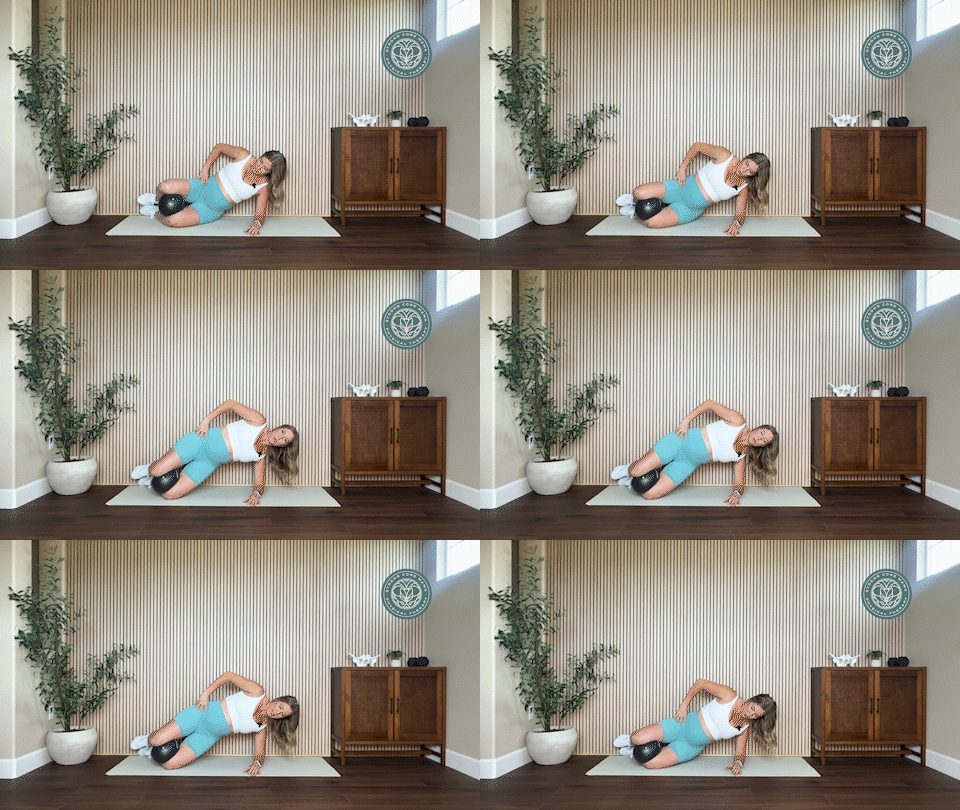
- Lie on your left side and place the ball between your knees.
- Prop yourself up on your left elbow, making sure it sits directly under your shoulder.
- Inhale with your hips resting down toward the floor.
- Exhale as you lift your hips up and squeeze the ball between your inner thighs.
- Lower back down with control and repeat.
- Switch sides.
3. Hip Thrust with Band Hip Abduction
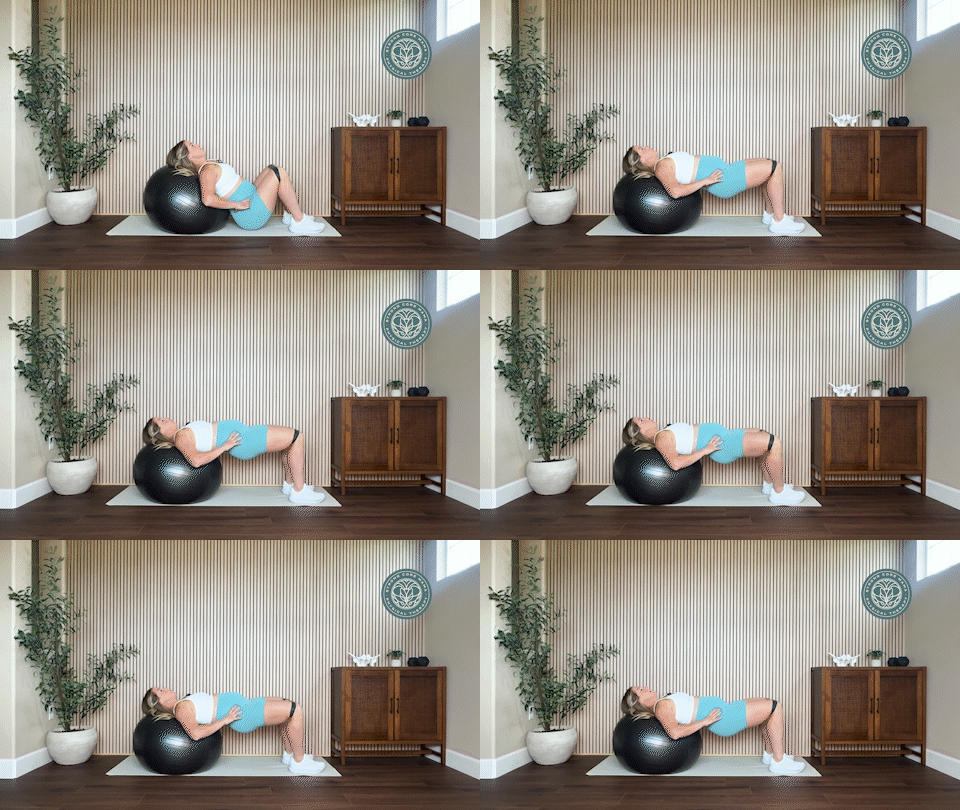
- Loop the resistance band around your thighs, just above your knees.
- Rest your upper back against the exercise ball and walk your feet out in front of you.
- Inhale as you drop your hips down toward the floor.
- Exhale as you lift your hips up and press your knees out against the band.
- Focus on your glute max as you raise your hips, and your glute med as you push your knees out to the sides.
- Lower down with control and repeat.
4. Split Squat with Foam Roller Adduction
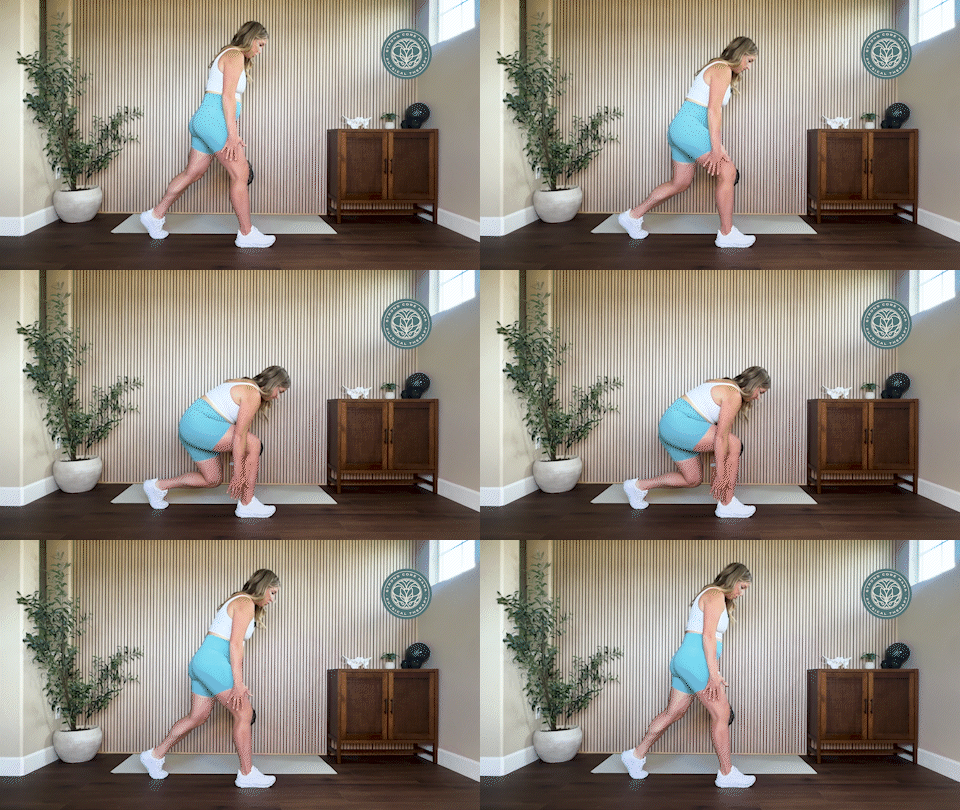
- Set the foam roller against the wall and start in a split squat position with your right leg forward.
- Press your right knee gently into the foam roller, pinning it against the wall.
- Inhale as you lower down into the squat.
- Exhale as you press through your front leg to stand back up, keeping steady pressure on the roller.
- Repeat, then switch sides.
5. Dynamic Step Back Hinge
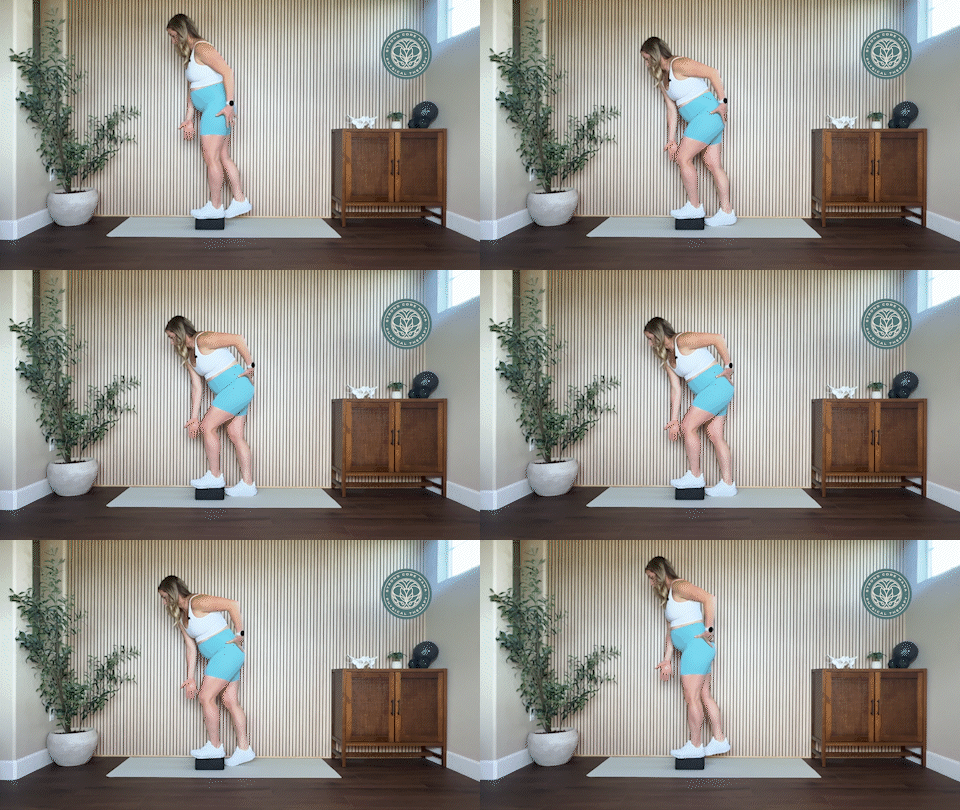
- Stand with your left foot on the yoga block and your right foot ready to step back.
- Inhale as you lower down and reach toward your shin.
- Exhale as you press through your left leg to stand back up.
- You’ll feel a stretch and lengthening through your left hip and glute.
- Repeat, then switch sides.
Does Groin Pain Go Away After Pregnancy?
In most cases, yes.
A lot of the groin pain you feel during pregnancy comes from the weight of your belly, your shifting center of gravity, and the hormone relaxin loosening your joints. Once your baby arrives and your hormone levels start to settle, much of that pressure lifts, and the pain eases.
For some moms, though, the discomfort lingers into the postpartum months, especially if the muscles around the pelvis stay weak or tight or they had moderate to severe pain in pregnancy that wasn’t well-managed.
(This catches many moms by surprise because they’re often told that it’ll just go away once the baby is born.)
This is where putting in the work now really pays off! When you build strength and stability during pregnancy, you set your body up to recover more smoothly after delivery.
More importantly, managing your symptoms during pregnancy, rather than pushing through or ignoring them, is what benefits you down the road. The longer and more severe the inflammation is during pregnancy, the longer and more irritation you’re likely to feel afterward.
Staying on top of it now keeps that from carrying over into your postpartum months.
Pelvic floor physical therapy helps you recover faster, move with more confidence, and lower your chances of dealing with lingering pain once your baby is here.
Learn more about when to start pelvic floor physical therapy during pregnancy.
FAQs
When does groin pain start in pregnancy?
It varies from mom to mom, but groin pain often shows up in the second trimester, somewhere around 14 to 20 weeks. That’s when your belly starts growing quickly, and your round ligaments stretch to keep up. SPD can start even earlier, around 13 to 14 weeks, with the first surge of relaxin loosening your joints. It often peaks in the third trimester as your baby gets bigger and your joints loosen further. You can also feel pelvic discomfort much earlier than that.
Why do I feel like I pulled a muscle in my groin while pregnant?
That pulled-muscle feeling is usually your round ligaments stretching. As your uterus grows, your ligaments lengthen and thin out, and a sudden movement can make them tighten quickly and feel like a sharp pull or strain. It can also come from your inner thigh and hip muscles working harder to support your changing body. Pelvic floor physical therapy can help you feel more comfortable.
How to sleep with groin pain in pregnancy?
Try lying on your side with a pillow between your knees to keep your hips and pelvis aligned and take pressure off the joint at the front. A pregnancy pillow that supports your belly and back can help, too. When you roll over or get out of bed, keep your knees together and move as one unit rather than letting your legs fall apart, which puts strain right on that sore spot.
Learn more about how to sleep with rib pain during pregnancy.
Feel Better During Pregnancy with Strong Expecting Mama
During my first pregnancy, I was confused and frustrated.
My pain was severe and started early. By 14 weeks, I was limping through my days at the PT clinic, treating patients while dealing with debilitating groin pain of my own.
I knew some aches were normal, but this caught me off guard, and even as a physical therapist, I struggled to find clear answers about what would help me feel better.
That’s why I created Strong Expecting Mama, an online program for pregnant moms.
It walks you through safe, effective exercises to ease pain during pregnancy, prepare your body for delivery, and set you up for a smoother postpartum recovery.
You get the same evidence-based guidance I give my patients at the clinic, with video lessons you can follow at home on your own schedule.
Join Strong Expecting Mama and start moving through your pregnancy with more comfort and confidence!
