Hip pain during pregnancy can turn the simplest movements into a struggle. Walking to the kitchen, climbing the stairs, or rolling over in bed might leave you wincing, and the soreness often settles deep into your hips, no matter how you sit, stand, or lie down.
As a pelvic floor physical therapist (and a mom of four!), hip pain is one of the issues I often help pregnant women with, and I also have personal experience healing two torn hip labrums.
In this article, I’ll walk you through what causes hip pain during pregnancy and share five physical therapy exercises to help you feel better!
What Is Hip Pain During Pregnancy?
Hip pain during pregnancy is discomfort in or around your hip joints, the outer sides of your hips, your buttocks, or the front of your pelvis.
Here are some of the most common ways it shows up:
- A deep ache on the outer side of one or both hips, especially after standing or walking
- A sharp, pinching pain in the front of your hip when you lift your leg or change positions
- Stiffness and soreness that make it hard to get comfortable in bed at night
- A burning or radiating pain that travels from your hip down into your thigh or buttock
If the pain gets bad enough, even simple things like walking or getting out of the car can feel like a chore.
Maybe you’ve already typed “hip pain during pregnancy hurts to walk” or “unbearable hip pain during pregnancy” into Google, hoping for answers! You may have even tried stretching or yoga to reduce hip pain.
Stretching can feel good in the moment, but for most pregnant women, the thing that makes a lasting difference is building strength and stability, NOT loosening already-mobile joints.
We’ll get to that in a second! First, let’s go over what could be causing your hip pain.
What Causes Pregnancy Hip Pain?
Round Ligament Pain
Your round ligaments connect the front of your uterus to your groin, and they stretch and thin out as your belly grows. When they tighten suddenly, you can feel a sharp, pulling pain that spreads from your lower belly into your hip and groin.
These ligaments anchor near the front of your hip and pelvis, so when one pulls tight, the discomfort can travel straight into the hip on that side and feel like a pinch or jab right at the joint. Movements that engage your core and hips, like rolling over in bed or standing up, are the usual triggers.
Learn more about round ligament pain during pregnancy.
Pelvic Girdle Pain
Pelvic girdle pain happens when the joints in your pelvis become less stable, which can irritate and inflame them. That inflammation causes pain in the front of your pelvis, the outer hips, the buttocks, and the lower back.
Your hip joint is where the top of your thigh bone fits into a socket in your pelvis, so your hips and your pelvic joints sit right next to each other and share many of the same muscles. When your pelvic joints aren’t stable, those shared muscles have to work overtime to keep you steady, and that extra load lands on your hips.
That extra demand turns into a deep ache or sharp pain in your outer hips, and it usually flares with movements that load one side at a time, like climbing stairs or standing on one leg.
Sciatica
Your sciatic nerve runs from your lower back, through your buttocks, and down the back of your leg. When it gets compressed or irritated during pregnancy, you can feel a sharp, shooting, or burning pain that travels from your hip down your leg.
Sciatica often shows up on one side and can come with tingling or numbness. The growing weight of your uterus and the shifting position of your baby can both put pressure on the nerve.
Greater Trochanter Bursitis
Bursae are small, fluid-filled cushions that sit between your bones and soft tissues to reduce friction. The one on the outer side of your hip can get irritated and inflamed during pregnancy, which is known as greater trochanteric bursitis.
This usually feels like a deep, tender ache on the outside of your hip. It tends to get worse when you lie on that side at night or after you’ve been walking or standing for a while.
Bursitis is almost always a secondary pain rather than a primary diagnosis. It tends to show up when something else is going on, like the muscle imbalances and overloading that come with the other causes above, so treating the root issue is what settles it down.
Hormonal Changes
During pregnancy, your body releases a hormone called relaxin that loosens your ligaments and joints to get your body ready for birth. This loosening is helpful for delivery, but it also makes the joints around your hips and pelvis less stable.
When your joints move more than they’re used to, the surrounding muscles have to work harder to hold everything steady. That extra workload can leave your hips feeling sore and achy.
Shifted Center of Gravity
As your belly grows, your center of gravity moves forward, and your posture changes to keep you balanced. Many moms end up arching their lower back and tilting their pelvis to compensate.
This new alignment puts extra strain on the muscles and joints around your hips. Over time, that added stress can turn into hip pain.
More Weight and Pressure
Your body is carrying more weight than it’s used to, and a lot of it lands right on your pelvis and hips. The joints, muscles, and ligaments in this area absorb that pressure with every step you take.
The further along you are, the more weight your hips support. That’s a big reason hip pain often gets worse in the third trimester.
Hip Pain During Pregnancy While Sleeping
Hip pain at night can be very uncomfortable.
Side sleeping is recommended during pregnancy, especially later on, but resting all your weight on one hip for hours can leave that joint sore and inflamed by morning.
A few small adjustments can help:
- Place a pillow between your knees to keep your hips stacked and stop your top leg from pulling your pelvis out of alignment
- Use a full-length pregnancy pillow to support your belly and back, which keeps you from twisting onto your hip
- Switch sides when you wake up uncomfortable, so one hip isn’t carrying your weight for the entire night
These tweaks help you get through the night, but they don’t get at the reason your hips are hurting in the first place.
If you’re waking up sore night after night, that’s usually a sign your hips need more support and stability, which is what pelvic floor physical therapy can help you with.
How to Relieve Hip Pain During Pregnancy?
If you search for hip pain relief online, you’ll typically find prenatal yoga flows and stretches. Stretching can feel good in the moment, but it’s not what makes the pain go away in the long term.
What your hips need is more strength and stability.
When your joints are loose and your muscles are struggling to keep up, stretching a hip that’s already too mobile can leave it feeling even less supported. That’s why I focus on hip stability and strength with my pregnant patients and in my programs.
When you build strength in the muscles around your hips, pelvis, and core, you give your loose joints more support, which helps relieve pain. This helps you feel more comfortable and stronger during pregnancy, and it also sets you up for a better postpartum recovery!
Learn when to start pelvic floor physical therapy during pregnancy.
Exercises for Hip Pain During Pregnancy
These are exercises I use with pregnant moms in my pelvic floor physical therapy clinic, and they all focus on building more strength and stability for your hips.
They’re also the exercises I did myself. My first pregnancy came with bad hip pain, before I knew what I know now, and staying on top of this work through my next three pregnancies is a big part of why the pain didn’t come back.
You can do them at home, and you can follow along with me in the video below!
1. Standing Wall Reach with Ball
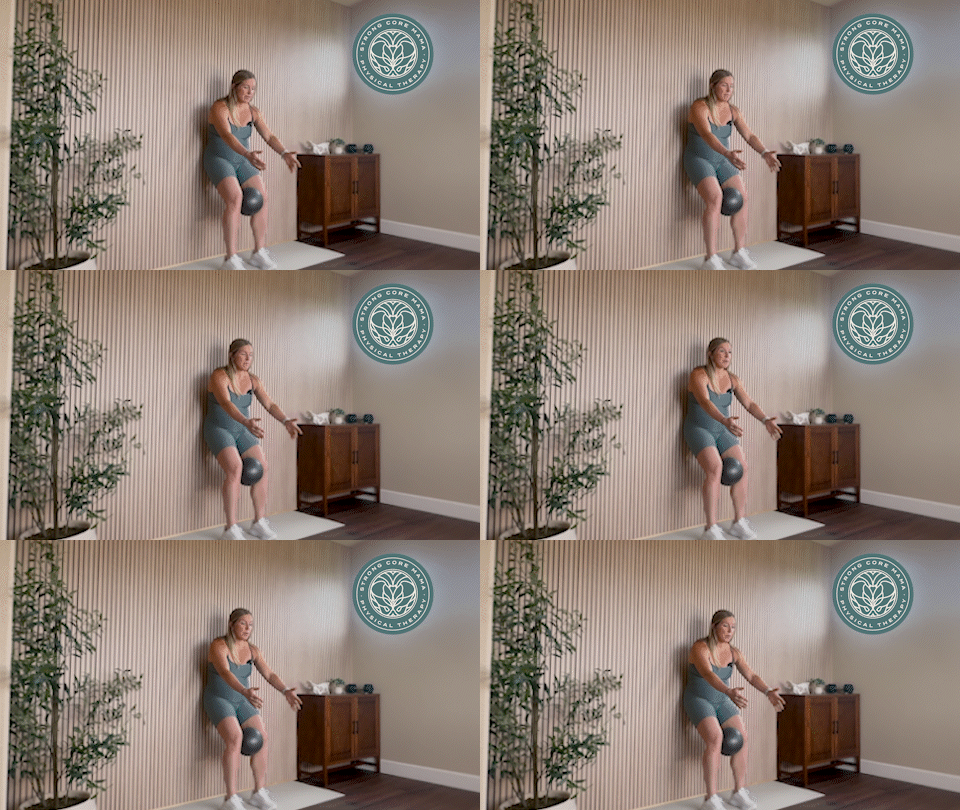
- Stand with your back against the wall and slide down into a comfortable mini-squat position.
- Place the small ball between your knees and squeeze it gently to engage your inner thighs.
- Inhale through your nose, breathing into your back.
- Exhale as you reach your arms forward and give your baby a gentle hug, drawing your deep core in.
- Keep squeezing the ball so your inner thighs stay engaged.
- Breathe into your back again, then repeat.
2. Quadruped Bent Knee Kickbacks
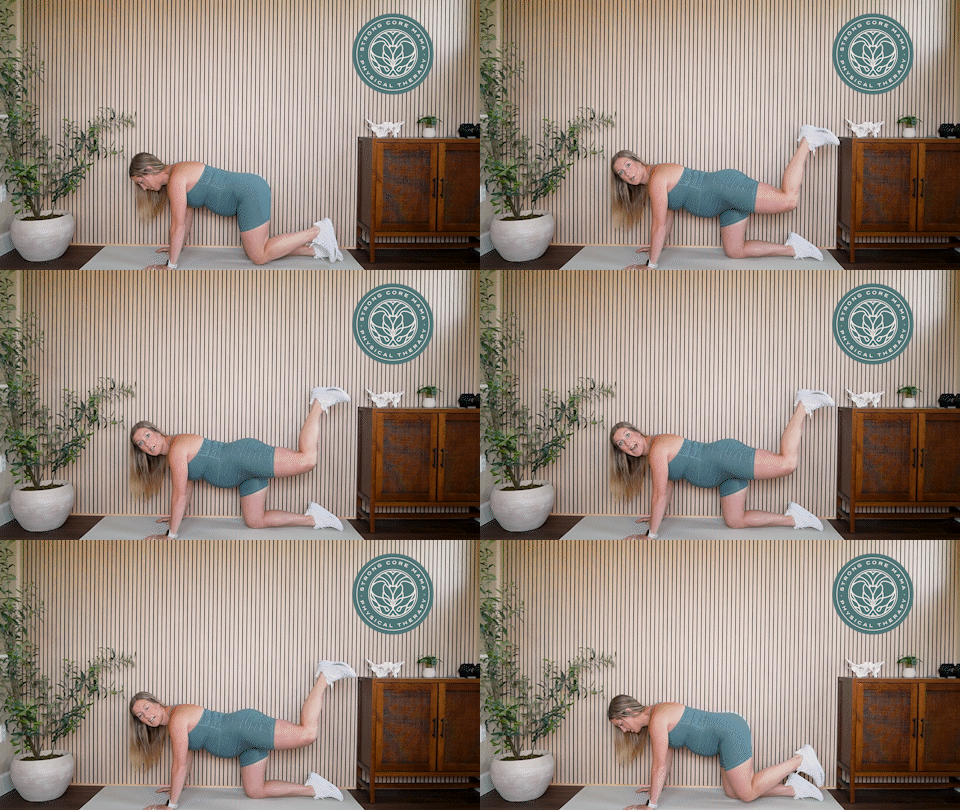
- Start on your hands and knees, with your hands under your shoulders and your knees under your hips.
- Bend your left knee to 90 degrees, lift your leg up, and reach your heel up toward the ceiling.
- Lift only as high as you can without rotating your hips open or letting your belly sag toward the floor.
- Focus on squeezing your glute to do the work, not your lower back.
- Hold for a moment at the top, then slowly lower back down.
- Repeat, then switch to the right leg.
3. Hip Airplane
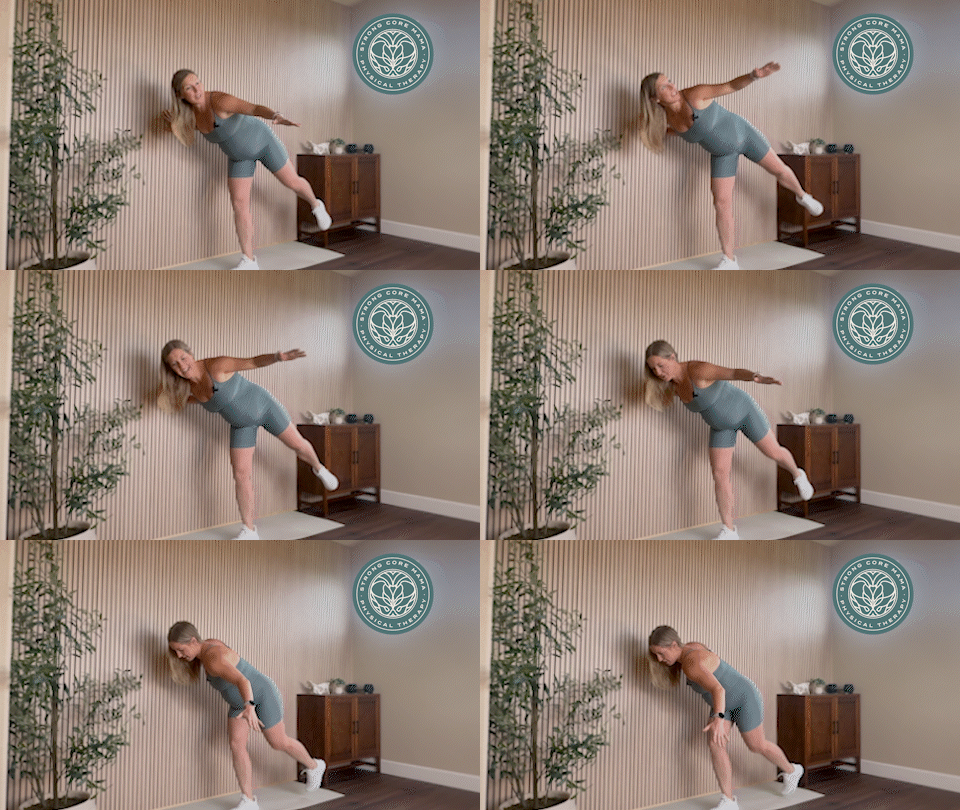
- Stand near the wall on your right leg, with your left foot extended back and your left arm extended out to the side like an airplane wing.
- Hinge forward slightly to feel the stretch on your right glute.
- Open your left hip and rotate your left arm up toward the ceiling.
- Then rotate the other way, bringing your arm down and across your body as your hip closes.
- Keep rotating slowly, opening and closing the hip with control.
- Switch and balance on your left leg to work the other side.
4. Side Plank Cross-Body Crunch
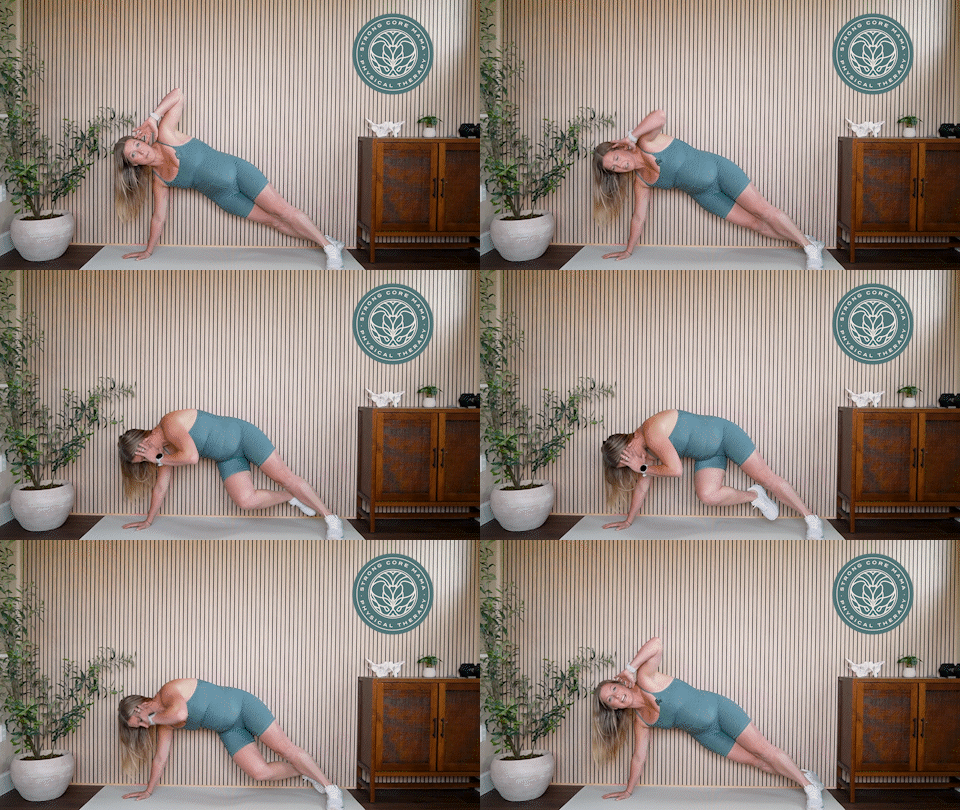
- Set up in a wide side plank on either side, with one foot staggered behind the other.
- Place your top hand by your ear.
- Crunch your bottom knee up toward your top elbow, bringing them together on exhale.
- Slowly return to your starting position.
- Focus on your inner thigh and the side of your hip doing the work.
- Repeat, then switch sides.
5. Single Leg Sit to Stand

- Sit on the edge of the chair and stand mostly on your right leg, using your left foot only lightly for balance.
- Hinge forward and press through your right heel to stand all the way up.
- Slowly lower yourself back down, staying slow and controlled the whole way.
- Repeat, then switch to the left leg.
FAQs
Is hip pain normal during pregnancy?
Hip pain is common during pregnancy, but it doesn’t mean that it’s normal. You may be experiencing hip pain as part of round ligament pain, pelvic girdle pain, sciatica, or because pregnant women naturally have looser ligaments and joints because of hormonal changes. But that doesn’t mean that there’s nothing you can do about it! You can manage pelvic and hip pain with pelvic floor physical therapy.
When does hip pain usually start in pregnancy?
It depends, and different pregnant women can have very different experiences. Hip pain often begins in the second trimester and tends to get worse in the third as your baby grows and your joints loosen further. But you can also feel it earlier, especially if you had hip or pelvic pain before. But regardless of when it starts, you can manage hip pain by building more strength and stability in your body.
A belly band or supportive pregnancy shorts or leggings can also help a lot by giving your hips and pelvis extra support as you move through your day. Here are my favorite recommended brands!
Learn more about postpartum hip pain.
How to sleep with hip pain during pregnancy?
You should sleep on your side when you’re pregnant, but resting all your weight on one hip can leave it sore by morning. You can place a firm pillow between your knees to keep your hips aligned and take pressure off the joint, or use a pregnancy pillow to support your belly and back so you’re not twisting onto one side all night. It can also be helpful to switch sides when you wake up to give each hip a break!
Get More Education and Support in Strong Expecting Mama
If you struggle with hip pain, pelvic floor physical therapy exercises can help you build strength and stability to ease your symptoms. You’ll feel better during pregnancy, and you’ll also build a better foundation for your postpartum recovery!
Unfortunately, seeing a pelvic floor PT in person isn’t realistic for a lot of pregnant women. Many don’t have a specialist anywhere nearby, and where appointments are available, they can be expensive and book out weeks in advance.
That’s why I created my program, Strong Expecting Mama. My goal was to make this care reachable for more women, so more of you can have healthier, stronger, and more comfortable pregnancies.
Once you join, you get:
- Safe, effective exercises to relieve hip pain, pelvic pain, and other common pregnancy aches
- Clear video lessons you can follow at home on your own schedule
- Evidence-based education that helps you understand what’s happening in your body
- Access to me for questions
Join Strong Expecting Mama and start moving through your pregnancy feeling stronger and more supported!
